
Freedom and the Making of a New Self
The Tale of the Vampire BrideThis flow considers how Glynis’s escape changes the meaning of identity: she rejects imposed roles but retains the title, power, and history that came with them.
increasing Bearing strength in each event
 decreasing
Bearing strength in each eventdecreasingA Name Before Marriage
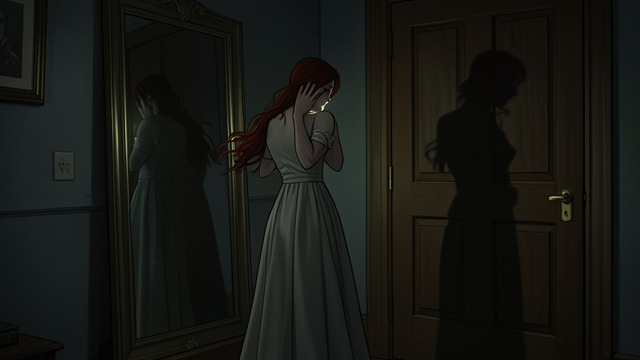
A Self-Claimed Future
Resistance to Social Roles
Glynis questions marriage and the limits placed on women, seeking a life directed by her own judgment.
A Freedom Not Yet Tested
Her imagined independence is still rooted in mortal privilege and has not yet encountered coercive supernatural power.
A Bride Without Consent
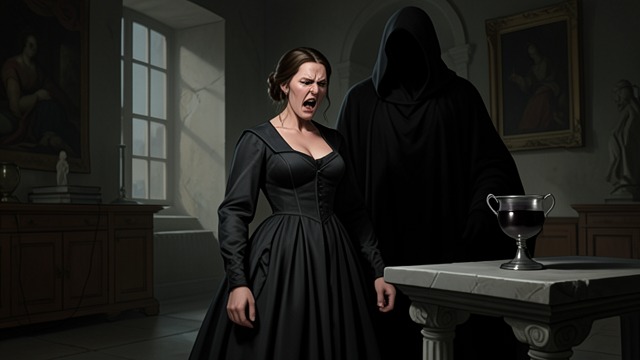
Identity Imposed
Vlad’s Claim
Vlad turns Glynis into a vampire and calls her his bride, defining her through his household and his blood.
Resistance Begins
Glynis’s refusal to accept the title as consent separates the words of marriage from the reality of ownership.
The Veil in Buda

A Self Hidden in Public
A Fabricated Injury
Glynis wears a veil and accepts Vlad’s false story to protect Andrew from the truth.
Performance and Survival
She uses aristocratic manners as a disguise, turning a social role she once resisted into a temporary tool.
Power Without Submission
A Wider World
Supernatural Society
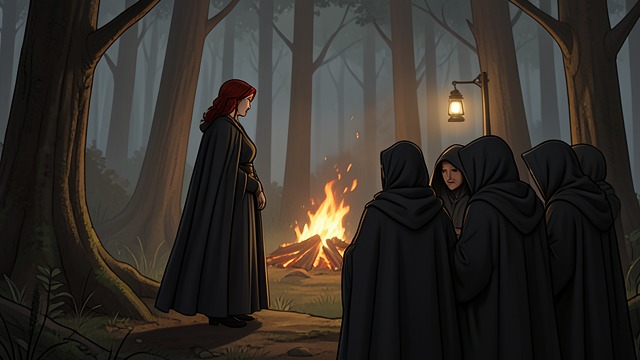
Glynis discovers Astir’s haven and a hidden world beyond Vlad’s castle and authority.
Imagination Expands
Other powers and customs make escape conceivable, although they do not remove the blood bond or its dangers.
Countess by Choice
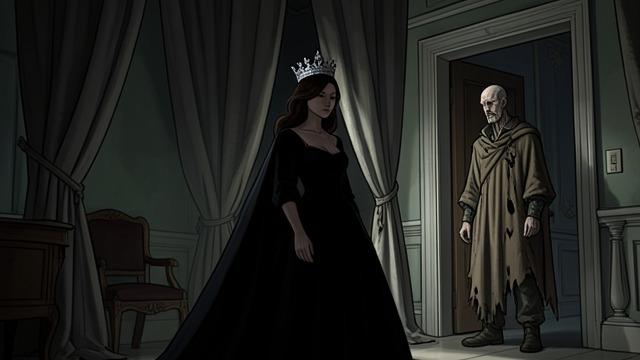
A New Identity Claimed
Inherited Power
Glynis leaves Vlad’s castle with the title and power he bestowed on her.
A Complicated Freedom
She remains Lady Glynis Wright and becomes Countess Dracula, carrying forward parts of the identity she fought against.
Before August 1819
June 1819
March 1820
April 1820
5 May 1820
